Hey there! As a supplier of 4WRZ products, I've been getting a lot of questions lately about the environmental implications of these pilot - operated hydraulic proportional valves. So, I thought I'd sit down and write this blog to shed some light on the topic.


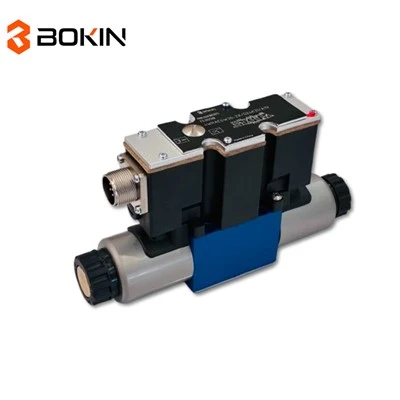
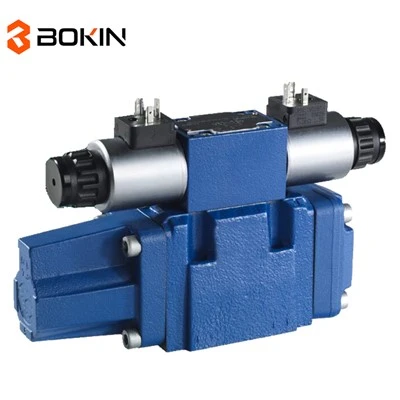
Let's start with what 4WRZ valves are. Pilot - Operated Hydraulic Proportional Valve 4WRZ32, Pilot - Operated Hydraulic Proportional Valve 4WRZ16, and Pilot - Operated Hydraulic Proportional Valve 4WRZ10 are all part of the 4WRZ family. These valves are widely used in various industrial applications, from manufacturing to construction. They play a crucial role in controlling the flow and pressure of hydraulic systems, which in turn drives the machinery.
Now, let's talk about the environmental side of things. One of the first things that comes to mind when thinking about the environmental impact of hydraulic valves is the hydraulic fluid. Hydraulic fluids are essential for the operation of 4WRZ valves, but they can also pose a risk to the environment. Traditional hydraulic fluids are often petroleum - based. These fluids can leak from the valve systems, and if they do, they can contaminate soil and water sources. Petroleum - based fluids are not biodegradable, which means they can stay in the environment for a long time, causing harm to plants, animals, and ecosystems.
However, in recent years, there has been a shift towards more environmentally friendly hydraulic fluids. Biodegradable hydraulic fluids are now available, and they are a great alternative to the traditional petroleum - based ones. These fluids break down naturally in the environment, reducing the risk of long - term pollution. As a 4WRZ supplier, I've seen an increasing demand for valves that are compatible with these biodegradable fluids. We're working hard to ensure that our products can work efficiently with these eco - friendly options.
Another environmental aspect to consider is energy efficiency. 4WRZ valves are designed to be highly efficient in controlling the flow and pressure of hydraulic systems. By using these valves, industries can reduce the amount of energy required to operate their machinery. For example, a well - designed 4WRZ valve can accurately control the flow of hydraulic fluid, preventing over - pressurization and unnecessary energy consumption. This not only saves money for the industries but also reduces the overall carbon footprint. When machinery uses less energy, it means less fuel is burned, and fewer greenhouse gases are emitted into the atmosphere.
But it's not just about the operation of the valves. The manufacturing process of 4WRZ valves also has environmental implications. Manufacturing hydraulic valves requires a significant amount of energy and raw materials. To minimize the environmental impact, manufacturers are now adopting more sustainable practices. For instance, some companies are using recycled materials in the production of valve components. This reduces the demand for new raw materials and decreases the energy required for extraction and processing.
In addition, the design of 4WRZ valves has also evolved to be more environmentally friendly. Newer models are often more compact and lightweight, which means less material is used in their construction. This not only reduces the environmental impact of the manufacturing process but also makes the valves easier to transport, further reducing energy consumption during shipping.
Maintenance is another area where we can make a difference. Proper maintenance of 4WRZ valves can prevent leaks and ensure that the valves operate at their optimal efficiency. Regularly checking for leaks, replacing worn - out seals, and keeping the valves clean can extend their lifespan. A longer - lasting valve means less waste, as fewer valves need to be replaced over time.
Now, let's talk about the end - of - life disposal of 4WRZ valves. When a valve reaches the end of its useful life, it needs to be disposed of properly. Many of the materials used in 4WRZ valves, such as metals, can be recycled. Recycling these materials reduces the need for new raw materials and conserves energy. As a supplier, we're working with our customers to ensure that they understand the importance of proper disposal and recycling.
In conclusion, while 4WRZ valves do have some environmental implications, there are also many ways to mitigate these impacts. From using biodegradable hydraulic fluids to improving energy efficiency and adopting sustainable manufacturing practices, we can make the use of 4WRZ valves more environmentally friendly.
If you're interested in learning more about our 4WRZ products or have any questions about their environmental impact, feel free to reach out. We're always happy to have a chat and help you find the best solutions for your needs. Whether you're looking for Pilot - Operated Hydraulic Proportional Valve 4WRZ32, Pilot - Operated Hydraulic Proportional Valve 4WRZ16, or Pilot - Operated Hydraulic Proportional Valve 4WRZ10, we've got you covered. Let's work together to make your operations more efficient and environmentally friendly.
References:
- Industry reports on hydraulic valve technology and environmental impact
- Studies on biodegradable hydraulic fluids
- Research on sustainable manufacturing practices in the valve industry