Hey there! As a hydraulic motor supplier, I've seen firsthand how crucial it is to optimize the design of these motors. In this blog, I'll share some tips and tricks on how to do just that.
Let's start with the basics. A hydraulic motor is a mechanical actuator that converts hydraulic pressure and flow into torque and angular displacement. It's used in a wide range of applications, from industrial machinery to mobile equipment. The design of a hydraulic motor can have a significant impact on its performance, efficiency, and reliability.
Understanding the Requirements
The first step in optimizing the design of a hydraulic motor is to understand the specific requirements of the application. This includes factors such as the required torque, speed, pressure, and flow rate. By understanding these requirements, you can select the right type of hydraulic motor and design it to meet the specific needs of the application.


For example, if you need a high-torque motor for a heavy-duty application, you might consider a radial piston motor. These motors are known for their high torque density and efficiency, making them ideal for applications such as mining and construction. On the other hand, if you need a high-speed motor for a lighter application, you might consider a gear motor. These motors are known for their simplicity and reliability, making them ideal for applications such as robotics and automation.
Selecting the Right Components
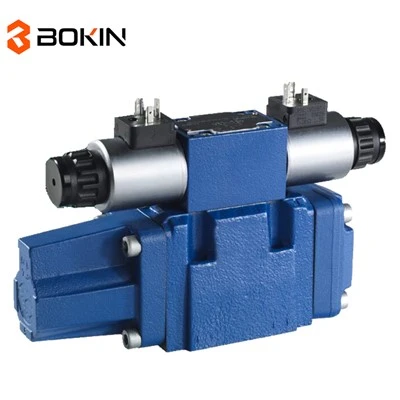
Once you've understood the requirements of the application, the next step is to select the right components for the hydraulic motor. This includes the pump, valves, hoses, and fittings. The components you choose will depend on the specific requirements of the application, as well as the budget and performance goals.
For example, if you need a high-pressure hydraulic motor, you'll need to select a pump that can generate the required pressure. You'll also need to select valves and hoses that can handle the high pressure. On the other hand, if you need a low-pressure hydraulic motor, you can select a pump and components that are designed for lower pressures.
Optimizing the Design
Once you've selected the right components, the next step is to optimize the design of the hydraulic motor. This includes factors such as the size and shape of the motor, the number of pistons or gears, and the flow path of the hydraulic fluid. By optimizing the design, you can improve the performance, efficiency, and reliability of the motor.
For example, if you're designing a radial piston motor, you might consider increasing the number of pistons to increase the torque output. You might also consider optimizing the shape of the pistons and the flow path of the hydraulic fluid to improve the efficiency of the motor. On the other hand, if you're designing a gear motor, you might consider increasing the number of teeth on the gears to increase the torque output.
Testing and Validation
Once you've optimized the design of the hydraulic motor, the next step is to test and validate the design. This includes conducting performance tests, efficiency tests, and reliability tests. By testing and validating the design, you can ensure that the motor meets the specific requirements of the application and performs as expected.
For example, you might conduct a performance test to measure the torque and speed of the motor under different operating conditions. You might also conduct an efficiency test to measure the power consumption of the motor and compare it to the theoretical efficiency. Finally, you might conduct a reliability test to measure the lifespan of the motor and identify any potential issues.
Our Products
At our company, we offer a wide range of hydraulic motors that are designed to meet the specific requirements of different applications. Our products include the High Pressure Hydraulic Motor ITMH06 Series 400 - 750 Mining, the High Pressure Hydraulic Motor ITMH03 Series 175 - 450 Heavy Duty, and the Hydraulic Motor ITM31 Series 2500 - 5000 Mega Machinery.
These motors are designed to provide high performance, efficiency, and reliability. They are also easy to install and maintain, making them a popular choice for a wide range of applications.
Conclusion
Optimizing the design of a hydraulic motor is a complex process that requires a deep understanding of the application requirements, the right components, and the latest design techniques. By following the tips and tricks outlined in this blog, you can improve the performance, efficiency, and reliability of your hydraulic motor.
If you're interested in learning more about our hydraulic motors or have any questions about optimizing the design of your hydraulic motor, please don't hesitate to contact us. We'd be happy to help you find the right solution for your specific needs.
References
- Fluid Power Handbook, by the International Fluid Power Society
- Hydraulic Systems and Components, by Eaton Corporation
- Hydraulic Motor Design and Application, by Parker Hannifin Corporation