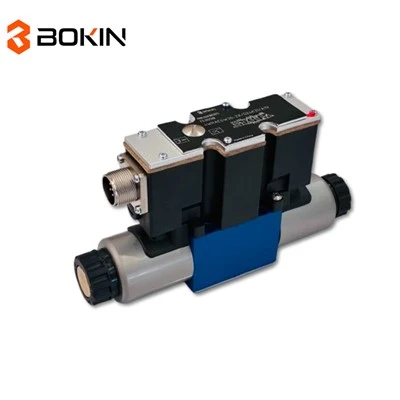
Hey there! As a supplier of axial piston pumps, I've seen my fair share of issues with these nifty devices. Axial piston pumps are crucial in many hydraulic systems, but they're not immune to problems. In this blog, I'll be diving into the common failures of axial piston pumps, so you can keep your systems running smoothly.
1. Wear and Tear
One of the most common problems with axial piston pumps is wear and tear. These pumps operate under high pressure and high speed, which can cause the components to wear out over time. The pistons, cylinder block, and valve plate are particularly susceptible to wear.
The pistons move back and forth inside the cylinder block, and the constant friction can lead to the wearing down of the piston surface. This can result in a loss of efficiency and increased leakage. The cylinder block, too, can wear out, especially if the pump is operating in a dirty environment. Dirt and debris can get into the pump and cause abrasion on the cylinder walls.
The valve plate is another critical component that can wear out. It controls the flow of hydraulic fluid in and out of the pump, and any wear on the valve plate can disrupt this flow. This can lead to reduced pump performance and even system failure.
For example, in our Hydraulic Axial Piston Pump A4VSO180 DR Direct Control, if the pistons or valve plate start to wear, it can affect the pump's ability to deliver the required pressure and flow.
2. Contamination
Contamination is a major culprit when it comes to axial piston pump failures. Hydraulic fluid can get contaminated with dirt, water, or other foreign particles. Dirt can enter the pump through the intake or due to poor maintenance. Water can get into the system through condensation or leaks.
Contaminated hydraulic fluid can cause a variety of problems. Dirt particles can act as abrasives, wearing down the pump components. Water can cause corrosion and also affect the viscosity of the hydraulic fluid, which can lead to poor lubrication.
In a Rexroth A10VSO45/31 Axial Piston Pump Stable Flow, contamination can lead to erratic flow and pressure, reducing the pump's efficiency and potentially causing damage to other components in the hydraulic system.
3. Overheating
Overheating is another common issue with axial piston pumps. High operating temperatures can be caused by a variety of factors, such as excessive load, poor ventilation, or a malfunctioning cooling system.
When a pump overheats, the hydraulic fluid can break down, losing its lubricating properties. This can lead to increased friction and wear on the pump components. Overheating can also cause the seals to expand and lose their effectiveness, resulting in leaks.
In a Rexroth Type Axial Piston Pump A4VSO71 Variable Displacement, overheating can lead to a decrease in the pump's displacement and overall performance.
4. Cavitation
Cavitation is a phenomenon that occurs when the pressure in the hydraulic fluid drops below the vapor pressure, causing the formation of vapor bubbles. These bubbles then collapse when they reach a higher pressure area, creating shock waves that can damage the pump components.
Cavitation can be caused by a variety of factors, such as a clogged intake filter, a low fluid level, or a high flow rate. It can lead to pitting and erosion of the pump components, reducing their lifespan and causing a decrease in pump performance.
5. Seal Failure
Seals are an important part of an axial piston pump, as they prevent hydraulic fluid from leaking out. However, seals can fail due to wear, high temperatures, or chemical degradation.
When a seal fails, it can lead to fluid leakage, which can not only waste hydraulic fluid but also cause damage to other components in the system. In addition, a failed seal can allow contaminants to enter the pump, leading to further problems.
How to Prevent These Failures
Now that we've identified the common failures of axial piston pumps, let's talk about how to prevent them.


- Regular Maintenance: Regular maintenance is key to keeping your axial piston pump in good condition. This includes changing the hydraulic fluid and filters at the recommended intervals, inspecting the pump for signs of wear and damage, and cleaning the pump and its components.
- Proper Installation: Make sure the pump is installed correctly, with the right alignment and proper connections. Incorrect installation can lead to premature wear and failure.
- Monitoring: Keep an eye on the pump's operating parameters, such as temperature, pressure, and flow rate. Any significant changes in these parameters can indicate a problem.
- Use High - Quality Components: Using high - quality hydraulic fluid and components can help prevent wear and contamination.
Conclusion
Axial piston pumps are essential components in many hydraulic systems, but they can experience a variety of failures. By understanding the common causes of these failures and taking steps to prevent them, you can ensure that your pump operates efficiently and has a long lifespan.
If you're in the market for a new axial piston pump or need help with pump maintenance and troubleshooting, don't hesitate to reach out. We're here to help you find the right solution for your needs. Contact us to start a procurement discussion and get the best axial piston pump for your application.
References
- Hydraulic Pumps and Motors: Theory, Design, and Application. Author: John F. Watton.
- Fluid Power with Applications. Author: Anthony Esposito.