Hey there! As a hydraulic motor supplier, I often get asked about the flow control of hydraulic motors. So, I thought I'd take a moment to break it down and explain what it's all about.
First off, let's talk about what a hydraulic motor is. A hydraulic motor is a mechanical actuator that converts hydraulic pressure and flow into torque and angular displacement. In simpler terms, it takes the power from a hydraulic system and turns it into rotational motion. This makes hydraulic motors ideal for a wide range of applications, from heavy machinery to industrial equipment.
Now, let's get into the nitty - gritty of flow control. Flow control is all about managing the amount of hydraulic fluid that is delivered to the hydraulic motor. Why is this important? Well, the speed and torque of a hydraulic motor are directly related to the flow rate of the hydraulic fluid. By controlling the flow, we can regulate the motor's performance.
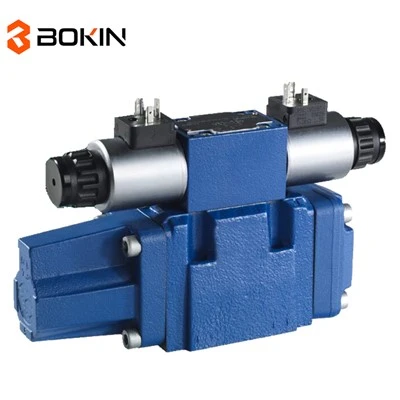
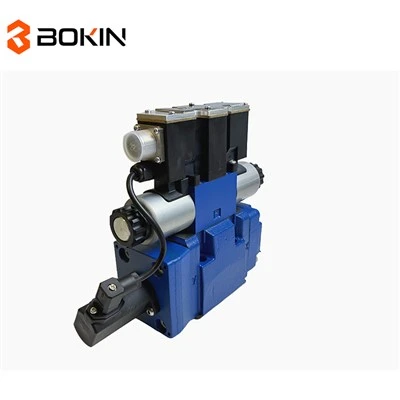
There are a few different ways to control the flow to a hydraulic motor. One common method is through the use of flow control valves. These valves can be adjusted to restrict or allow more fluid to pass through, thereby changing the flow rate. For example, if you want the motor to run slower, you can use a flow control valve to reduce the amount of fluid reaching the motor.
Another way to control flow is through the use of variable displacement pumps. These pumps can change the amount of fluid they deliver based on the system's requirements. This allows for more precise control of the hydraulic motor's speed and torque.
Let's take a look at some of the products we offer as a hydraulic motor supplier. For large - scale industrial applications, we have the Hydraulic Motor ITM16 Series 1400 - 2400 Large - Scale Industrial. This motor is designed to handle high - volume flow and is perfect for heavy - duty machinery. The flow control of this motor is carefully engineered to ensure smooth and efficient operation.
If you're in the mining industry, our High Pressure Hydraulic Motor ITMH06 Series 400 - 750 Mining might be the right choice for you. Mining operations often require motors that can handle high pressures and variable flow rates. Our ITMH06 series is built to withstand the tough conditions of the mining environment, and its flow control system is optimized for maximum performance.
For mega machinery, we offer the Hydraulic Motor ITM31 Series 2500 - 5000 Mega Machinery. This motor is capable of handling extremely high flow rates and is designed for the most demanding applications. The flow control in this motor is top - notch, allowing for precise control of the motor's speed and torque.
When it comes to flow control, there are a few factors to consider. One is the viscosity of the hydraulic fluid. Viscosity affects how easily the fluid can flow through the system. If the fluid is too thick, it can cause problems with flow control and reduce the motor's efficiency. On the other hand, if the fluid is too thin, it may not provide enough lubrication and can lead to increased wear and tear on the motor.
Another factor is the pressure in the hydraulic system. The pressure affects the flow rate, and if the pressure is too high or too low, it can impact the motor's performance. That's why it's important to have a well - designed flow control system that can adjust to changes in pressure.
Temperature also plays a role in flow control. As the temperature of the hydraulic fluid changes, its viscosity can change as well. This means that the flow control system needs to be able to adapt to these temperature changes to ensure consistent performance.


In addition to these technical factors, it's also important to consider the overall design of the hydraulic system. The layout of the pipes, valves, and other components can affect the flow of the hydraulic fluid. A well - designed system will minimize pressure drops and ensure that the fluid flows smoothly to the motor.
So, why is proper flow control so important for hydraulic motors? Well, first of all, it ensures that the motor operates at its optimal efficiency. By controlling the flow, we can make sure that the motor is using the right amount of power and not wasting energy. This not only saves on operating costs but also extends the lifespan of the motor.
Proper flow control also helps to prevent damage to the motor. If the flow rate is too high, it can cause excessive wear on the motor's components. On the other hand, if the flow rate is too low, the motor may not be able to perform its intended function.
If you're in the market for a hydraulic motor and need help with flow control or have any other questions, don't hesitate to reach out. We're here to help you find the right motor for your application and ensure that it operates at its best. Whether you're looking for a motor for a small - scale project or a large - scale industrial application, we've got you covered.
In conclusion, flow control is a crucial aspect of hydraulic motor operation. By understanding how it works and choosing the right products, you can ensure that your hydraulic motor performs efficiently and reliably. So, if you're interested in learning more about our hydraulic motors or need assistance with flow control, contact us today to start a procurement discussion.
References:
- Hydraulic Systems Handbook by Frank Liptak
- Fluid Power Technology by Thomas G. Chou