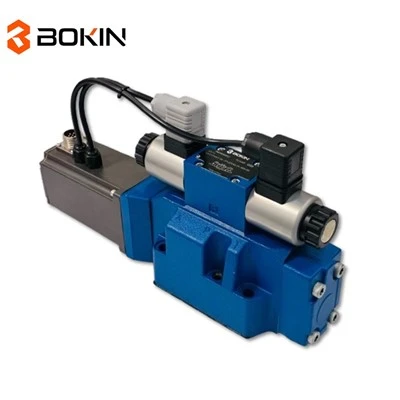
The center position (neutral) of a three-position directional valve is arguably the most important selection decision in hydraulic circuit design. The center spool configuration determines what happens to the pump, the actuator, and the system energy when the valve is not actively commanding motion.

Type O (all ports blocked): In center position, P, T, A, and B ports are all closed. The pump must discharge through a relief valve - meaning the system runs at relief pressure consuming full power while the valve is centered. The actuator is hydraulically locked because both A and B ports are sealed. Use this only when the pump is intermittent or when an accumulator absorbs pump flow during idle periods.
Type M (P to T open, A and B blocked): The pump unloads to tank at low pressure - usually under 0.5 MPa through the return filter - saving energy during idle. The A and B ports remain blocked, locking the actuator in position. This is the most energy-efficient center position for circuits where the actuator must hold position during pauses. Many injection molding clamp circuits and die casting shot-end circuits use M-type centers with Rexroth Type directional valves to combine energy savings with load holding.
Type H (all ports open to T): P, A, B are all connected to T. The pump unloads and the actuator floats - meaning external forces can move it. This is appropriate when the cylinder must be manually repositioned during setup, or when a suspended load gradually settles by design.
Type Y (P blocked, A and B to T): The pump stays on load (pump pressure maintained) while the actuator floats. This is used when the pump must simultaneously serve other functions through a separate valve while the actuator at this valve station remains free to move.
Type P (P to A and B): The pump feeds both working ports simultaneously. With a single-rod cylinder, the differential area creates a regenerative circuit - oil from the rod side feeds back into the piston side, accelerating extension. This is used for rapid advance (fast traverse) in press applications and machine tool feed circuits.
Selecting the wrong center position wastes energy, creates unsafe load behavior, or generates unexpected cylinder movement during directional transitions. Verify the center position against the machine's duty cycle and safety requirements before finalizing the valve specification.