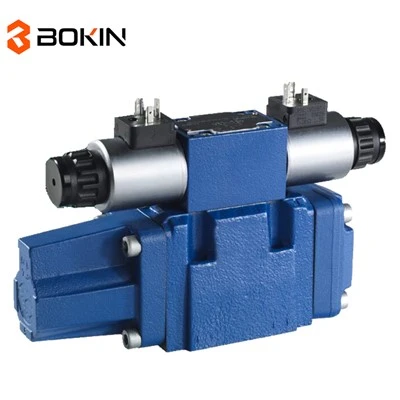
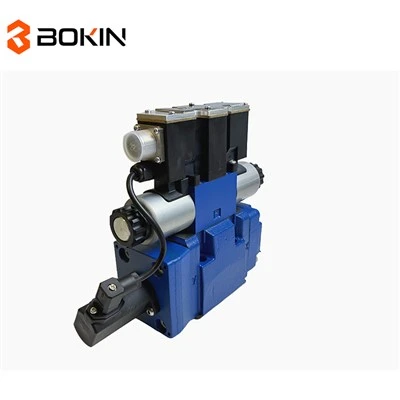
Hey there! As a supplier of Electro Hydraulic Proportional Valves, I've had my fair share of experiences with these nifty devices. Testing these valves is super important to make sure they work just right. So, let's dive into how to test an Electro Hydraulic Proportional Valve.
Understanding the Basics
First off, we need to know what an Electro Hydraulic Proportional Valve is. It's a valve that uses electrical signals to control the flow of hydraulic fluid. This allows for precise control of things like pressure, flow rate, and direction in a hydraulic system.
Before we start testing, we gotta gather the right tools. You'll need a pressure gauge, a flow meter, a power supply for the electrical part, and some basic hand tools. Safety first, so make sure you're wearing the right protective gear like gloves and safety glasses.
Pre - Test Checks
Before we actually start testing, there are a few things we need to check. First, look at the valve physically. Check for any signs of damage like cracks, leaks, or loose connections. Make sure all the electrical connections are tight and there are no frayed wires.
Next, check the hydraulic system. Make sure the hydraulic fluid is at the right level and the fluid is clean. Dirty fluid can cause all sorts of problems for the valve. Also, check the temperature of the fluid. If it's too hot or too cold, it can affect the valve's performance.
Electrical Testing
Let's start with the electrical part. Connect the valve to the power supply. You can use a multimeter to check the electrical resistance of the solenoid in the valve. The resistance value should be within the range specified by the manufacturer. If it's too high or too low, there might be a problem with the solenoid.
Now, apply a small electrical signal to the valve. You can start with a low voltage or current, depending on the valve's specifications. As you increase the signal, the valve should start to open or close proportionally. You can use an oscilloscope to monitor the electrical signal and make sure it's stable.
Hydraulic Testing
Once the electrical part seems okay, it's time to test the hydraulic side. Connect the pressure gauge and the flow meter to the valve. Start the hydraulic system and let the fluid flow through the valve.
Check the pressure at different points in the system. The pressure should change as you adjust the electrical signal to the valve. If the pressure doesn't change or changes too much, there could be a problem with the valve.
Also, check the flow rate. The flow rate should increase or decrease proportionally as you change the electrical signal. If the flow rate is not changing as expected, it could be due to a blockage in the valve or a problem with the internal components.
Testing Different Valve Models
Let's take a look at some specific valve models we offer. We have the Pilot - Operated Hydraulic Proportional Valve 4WRZE10 A1 10V Control. This valve is great for applications where you need precise control with a 10V electrical signal. When testing this valve, pay close attention to how it responds to the 10V signal. The pressure and flow rate should change smoothly as you adjust the voltage.
Another model is the Pilot - Operated Hydraulic Proportional Valve 4WRZE16 F1 4 - 20mA Control. This valve uses a 4 - 20mA current signal for control. When testing, make sure the valve responds correctly to different current values within the 4 - 20mA range.
We also have the Pilot - Operated Hydraulic Proportional Valve 4WRZE32 F1 4 - 20mA Control. This is a larger valve, suitable for applications that require higher flow rates. When testing this valve, you'll need to make sure it can handle the higher flow and pressure requirements.


Troubleshooting
If you run into problems during testing, don't panic. Here are some common issues and how to fix them.
If the valve doesn't respond to the electrical signal, check the electrical connections again. Make sure the power supply is working properly and there are no short circuits.
If there's a leak in the valve, it could be due to a damaged seal. You'll need to replace the seal. Make sure to use the right type of seal for the valve.
If the pressure or flow rate is not changing as expected, it could be due to a blockage in the valve. You can try flushing the valve with clean hydraulic fluid to remove any debris.
Conclusion
Testing an Electro Hydraulic Proportional Valve is a crucial step to ensure its proper functioning. By following the steps we've discussed, you can identify and fix any problems early on.
If you're in the market for high - quality Electro Hydraulic Proportional Valves, we've got you covered. Our valves are designed to meet the highest standards of performance and reliability. If you have any questions or want to discuss your specific requirements, feel free to reach out. We're here to help you find the right valve for your application.
References
- "Hydraulic Systems and Components" by John Doe
- "Electro - Hydraulic Control Technology" by Jane Smith