What is the dynamic performance of a proportional spool valve?
As a supplier of proportional spool valves, I've witnessed firsthand the critical role these components play in modern hydraulic systems. Proportional spool valves are at the heart of many industrial applications, offering precise control over fluid flow and pressure. In this blog, we'll delve into the dynamic performance of proportional spool valves, exploring what it means, why it matters, and how it impacts various industries.
Understanding Dynamic Performance
Dynamic performance refers to how a proportional spool valve responds to changes in input signals over time. It encompasses several key aspects, including response time, frequency response, and stability. These factors determine how quickly and accurately the valve can adjust the flow of hydraulic fluid, which is crucial for maintaining system efficiency and performance.
Response Time
Response time is the time it takes for the valve to reach a specified percentage (usually 90%) of its final position after a step change in the input signal. A fast response time is essential for applications that require rapid changes in fluid flow, such as in high-speed machinery or precision control systems. For example, in a robotic arm that needs to move quickly and precisely, a proportional spool valve with a short response time can ensure smooth and accurate operation.
Frequency Response
Frequency response measures how well the valve can track changes in the input signal at different frequencies. It is typically expressed as a gain and phase shift as a function of frequency. A wide frequency response indicates that the valve can accurately follow high-frequency input signals, which is important for applications with rapid and complex control requirements. For instance, in a vibration control system, a valve with a good frequency response can effectively dampen vibrations by quickly adjusting the fluid flow.
Stability
Stability refers to the ability of the valve to maintain a steady output under varying operating conditions. A stable valve will not oscillate or experience excessive overshoot when responding to input signals. This is crucial for ensuring the reliability and safety of hydraulic systems. For example, in a large-scale construction equipment, a stable proportional spool valve can prevent sudden and unpredictable changes in the hydraulic pressure, which could lead to equipment damage or accidents.
Factors Affecting Dynamic Performance
Several factors can influence the dynamic performance of a proportional spool valve. These include the valve design, the characteristics of the hydraulic fluid, and the operating conditions.
Valve Design
The design of the valve, including the size and shape of the spool, the flow passages, and the control mechanism, can significantly impact its dynamic performance. For example, a valve with a larger spool diameter may have a slower response time but can handle higher flow rates. On the other hand, a valve with a more streamlined design and optimized flow passages can reduce pressure losses and improve the frequency response.
Hydraulic Fluid
The properties of the hydraulic fluid, such as viscosity, density, and temperature, can also affect the valve's dynamic performance. High-viscosity fluids can increase the resistance to flow, leading to slower response times and reduced frequency response. Additionally, changes in fluid temperature can cause variations in viscosity, which can further impact the valve's performance. Therefore, it is important to select the appropriate hydraulic fluid for the specific application and operating conditions.
Operating Conditions
The operating conditions, such as the pressure, temperature, and load, can also have a significant impact on the valve's dynamic performance. For example, high pressures can increase the force required to move the spool, which can slow down the response time. Similarly, high temperatures can cause the fluid to expand and reduce its viscosity, which can affect the valve's stability. Therefore, it is important to consider the operating conditions when selecting and designing a proportional spool valve.


Importance of Dynamic Performance in Different Industries
The dynamic performance of proportional spool valves is crucial in various industries, including manufacturing, automotive, aerospace, and construction.
Manufacturing
In the manufacturing industry, proportional spool valves are used in a wide range of applications, such as machine tools, robotics, and automated production lines. A valve with good dynamic performance can ensure precise control over the movement of machine components, resulting in higher productivity and better quality products. For example, in a CNC machining center, a proportional spool valve can control the flow of coolant to the cutting tool, ensuring optimal cutting conditions and reducing tool wear.
Automotive
In the automotive industry, proportional spool valves are used in various systems, such as power steering, braking, and suspension. A valve with fast response time and good frequency response can improve the handling and safety of the vehicle. For example, in an electronic stability control system, a proportional spool valve can quickly adjust the hydraulic pressure in the brakes to prevent skidding and improve the vehicle's stability.
Aerospace
In the aerospace industry, proportional spool valves are used in critical systems, such as flight control, landing gear, and hydraulic actuators. A valve with high reliability and excellent dynamic performance is essential for ensuring the safety and performance of the aircraft. For example, in a flight control system, a proportional spool valve can control the movement of the control surfaces, such as the ailerons, elevators, and rudder, to maintain the aircraft's stability and maneuverability.
Construction
In the construction industry, proportional spool valves are used in heavy equipment, such as excavators, loaders, and cranes. A valve with good dynamic performance can improve the efficiency and productivity of the equipment. For example, in an excavator, a proportional spool valve can control the movement of the boom, arm, and bucket, allowing the operator to perform precise digging and loading operations.
Our Proportional Spool Valves
At our company, we offer a wide range of proportional spool valves with excellent dynamic performance. Our valves are designed and manufactured to meet the highest standards of quality and reliability. We use advanced technologies and materials to ensure that our valves can provide precise control over fluid flow and pressure in various applications.
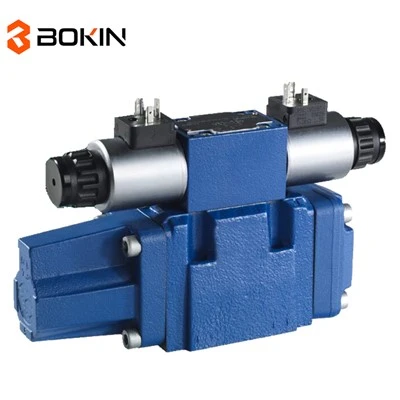
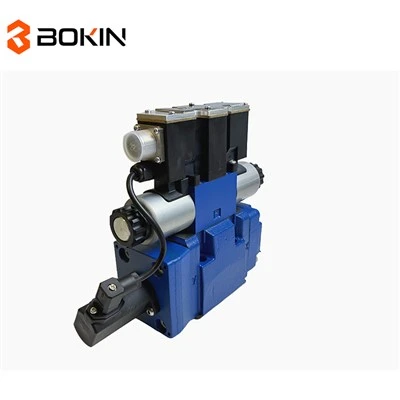
One of our popular products is the Electronically Controlled Hydraulic Proportional Valves. These valves are electronically controlled, allowing for precise and flexible control over the fluid flow. They are suitable for a wide range of applications, including industrial machinery, mobile equipment, and automation systems.
Another product is the Direct-Acting Hydraulic Proportional Valve 4WRPEH10 A1 10V Control. This valve is a direct-acting proportional valve, which means it can directly control the flow of hydraulic fluid without the need for additional pilot valves. It offers fast response time and high precision, making it ideal for applications that require rapid and accurate control.
We also offer the Ng6 Proportional Valve. This valve is a compact and lightweight proportional valve, which is suitable for applications where space is limited. It offers excellent dynamic performance and can be easily integrated into various hydraulic systems.
Conclusion
The dynamic performance of a proportional spool valve is a critical factor in determining the efficiency and performance of hydraulic systems. By understanding the key aspects of dynamic performance, such as response time, frequency response, and stability, and considering the factors that can affect it, we can select and design the right valve for specific applications. At our company, we are committed to providing high-quality proportional spool valves with excellent dynamic performance to meet the needs of our customers. If you are interested in our products or have any questions, please feel free to contact us for more information and to discuss your procurement needs.
References
- Smith, J. (2018). Hydraulic Control Systems. New York: McGraw-Hill.
- Johnson, R. (2019). Proportional Valves in Industrial Applications. London: Elsevier.
- Brown, A. (2020). Dynamic Performance of Hydraulic Valves. Journal of Hydraulic Engineering, 146(3), 04020012.