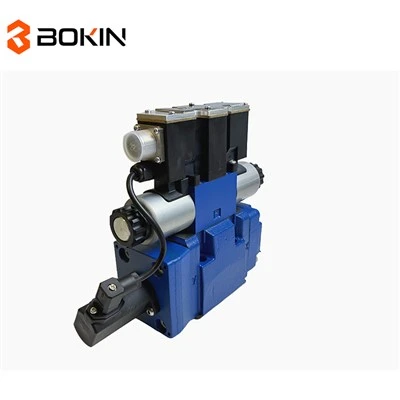
Hey there, folks! As a supplier of Proportional Directional Control Valves, I've had my fair share of experience dealing with the ins and outs of these nifty devices. One question that often comes up is, "What is the effect of fluid density on the performance of a Proportional Directional Control Valve?" Well, let's dive right in and explore this topic together.
First off, let's understand what a Proportional Directional Control Valve is. These valves are used to control the flow and direction of hydraulic fluid in a system. They're pretty crucial in a whole bunch of industries, from manufacturing to construction. You can check out more about them here: Proportional Directional Control Valve.
Now, let's talk about fluid density. Fluid density is basically how much mass there is in a given volume of fluid. It can vary depending on factors like temperature, pressure, and the type of fluid itself. Different fluids have different densities, and this can have a big impact on how our Proportional Directional Control Valves work.
One of the main ways fluid density affects valve performance is through flow rate. The flow rate of a fluid through a valve is determined by a few things, including the pressure difference across the valve, the size of the valve opening, and the fluid's properties, like density. When the fluid density changes, it can alter the flow rate. For example, if the fluid density increases, the flow rate might decrease for a given pressure difference and valve opening. This is because a denser fluid is more resistant to flow.
Another aspect is the force required to operate the valve. The valve needs to overcome the resistance of the fluid to open and close properly. A denser fluid means more resistance, so the valve actuator might need to work harder. This can lead to increased wear and tear on the valve components over time.
Let's take a look at some specific products in our lineup. We have the Pilot-Operated Hydraulic Valve 4WRJE27 A1 10V OBE Position Feedback and the Pilot-Operated Hydraulic Valve 4WRJE16 A1 10V OBE Position Feedback. These valves are designed to work with different fluid densities, but it's still important to understand how density can affect their performance.
When the fluid density is higher, the valve might experience slower response times. This is because the actuator has to work against the increased resistance of the denser fluid. It can also lead to inaccurate control of the flow and direction, which is a big no-no in many applications.


On the other hand, if the fluid density is too low, the valve might not be able to maintain proper control either. The low-density fluid might not provide enough force to keep the valve in the desired position, leading to instability in the system.
So, how do we deal with these issues? Well, it's all about choosing the right valve for the specific fluid and application. We need to consider the fluid density, along with other factors like pressure, temperature, and flow requirements. Our team of experts can help you select the best valve for your needs.
In addition to choosing the right valve, it's also important to monitor the fluid density over time. Changes in density can occur due to factors like temperature fluctuations or contamination. By keeping an eye on the fluid density, we can make adjustments to the valve settings or take other measures to ensure optimal performance.
Another thing to keep in mind is the maintenance of the valve. Regular maintenance can help prevent issues caused by changes in fluid density. This includes things like cleaning the valve, checking for leaks, and replacing worn components.
Now, let's talk about some real-world examples. In a manufacturing plant, a Proportional Directional Control Valve is used to control the flow of hydraulic fluid in a machine. If the fluid density changes due to a temperature increase, the valve might not operate as expected. This could lead to production delays or even damage to the machine. By understanding the effect of fluid density on the valve performance, the plant operators can take steps to prevent these issues.
In a construction equipment application, the valve is used to control the movement of hydraulic cylinders. If the fluid density is too high, the cylinders might move more slowly than normal, affecting the efficiency of the equipment. By choosing the right valve and monitoring the fluid density, the construction crew can ensure smooth operation of the equipment.
So, there you have it, folks. The effect of fluid density on the performance of a Proportional Directional Control Valve is an important factor to consider. By understanding how density affects flow rate, force requirements, and response times, we can make informed decisions about valve selection and maintenance.
If you're in the market for a Proportional Directional Control Valve or have any questions about how fluid density might affect your application, don't hesitate to reach out. We're here to help you find the best solution for your needs.
References
- Fluid Mechanics textbooks
- Hydraulic system design manuals
- Industry research papers on valve performance