What is the pressure rating of a standard proportional directional control valve in hydraulics?
In the world of hydraulics, proportional directional control valves play a crucial role in regulating the flow and direction of hydraulic fluid. As a leading supplier of Proportional Directional Control Valve Hydraulic, I often encounter inquiries about the pressure rating of these valves. Understanding the pressure rating is essential for ensuring the proper functioning and safety of hydraulic systems. In this blog post, I will delve into the concept of pressure rating, factors that influence it, and the typical pressure ratings of standard proportional directional control valves.
Understanding Pressure Rating
The pressure rating of a proportional directional control valve refers to the maximum pressure that the valve can safely withstand without experiencing damage or failure. It is typically expressed in pounds per square inch (psi) or megapascals (MPa). The pressure rating is a critical specification as it determines the valve's suitability for a particular hydraulic application. Using a valve with a pressure rating lower than the system's operating pressure can lead to leaks, valve damage, and potential safety hazards.
Factors Influencing Pressure Rating
Several factors influence the pressure rating of a proportional directional control valve. These include:


- Valve Design: The design of the valve, including the materials used, the construction of the valve body, and the sealing mechanisms, plays a significant role in determining its pressure rating. Valves with robust designs and high-quality materials are generally capable of withstanding higher pressures.
- Sealing Technology: The type of sealing technology used in the valve affects its ability to maintain a tight seal under high pressure. Advanced sealing materials and designs can improve the valve's pressure rating and reduce the risk of leakage.
- Actuator Type: The type of actuator used to control the valve also impacts its pressure rating. Different actuator designs have different pressure capabilities, and the valve's pressure rating must be compatible with the actuator's specifications.
- Operating Conditions: The operating conditions, such as temperature, fluid viscosity, and flow rate, can also affect the valve's pressure rating. Extreme temperatures or high fluid viscosities can increase the stress on the valve, reducing its effective pressure rating.
Typical Pressure Ratings of Standard Proportional Directional Control Valves
The pressure ratings of standard proportional directional control valves can vary widely depending on the valve's size, design, and application. In general, most standard valves have pressure ratings ranging from 2000 psi (13.8 MPa) to 5000 psi (34.5 MPa). However, some high-performance valves can have pressure ratings of up to 7500 psi (51.7 MPa) or more.
Here are some examples of standard proportional directional control valves and their pressure ratings:
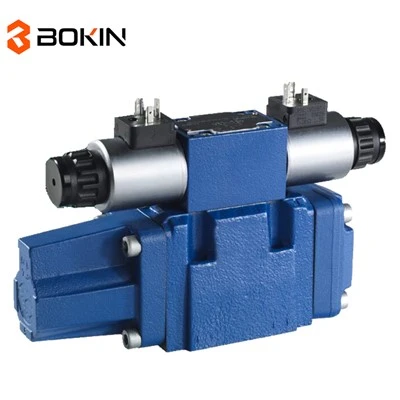
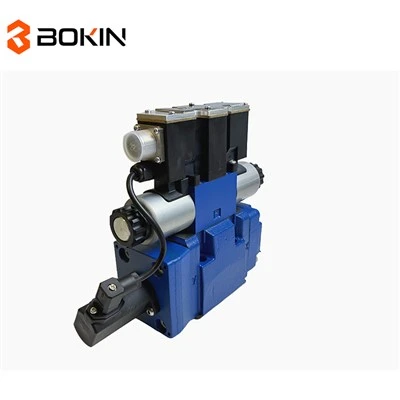
- Pilot-Operated Hydraulic Valve 4WRLE10 A1 10V OBE Position Feedback: This valve has a pressure rating of up to 350 bar (5076 psi), making it suitable for a wide range of hydraulic applications.
- Pilot-Operated Hydraulic Valve 4WRLE27 A1 10V OBE Position Feedback: With a pressure rating of up to 315 bar (4569 psi), this valve is designed for high-pressure hydraulic systems.
- Pilot-Operated Hydraulic Valve 4WRLE25 A1 10V OBE Position Feedback: This valve offers a pressure rating of up to 350 bar (5076 psi), providing reliable performance in demanding hydraulic applications.
Importance of Selecting the Right Pressure Rating
Selecting the right pressure rating for a proportional directional control valve is crucial for the proper functioning and safety of the hydraulic system. Using a valve with a pressure rating that is too low can result in valve failure, leaks, and system downtime. On the other hand, using a valve with a pressure rating that is too high can be costly and may not provide any additional benefits.
When selecting a valve, it is important to consider the maximum operating pressure of the hydraulic system, as well as any potential pressure spikes or surges that may occur. It is also advisable to consult with a hydraulic expert or the valve manufacturer to ensure that the selected valve is suitable for the specific application.
Conclusion
The pressure rating of a standard proportional directional control valve is an important specification that determines its suitability for a particular hydraulic application. Understanding the factors that influence the pressure rating and selecting the right valve for the job is crucial for ensuring the proper functioning and safety of the hydraulic system. As a supplier of Proportional Directional Control Valve Hydraulic, we offer a wide range of valves with different pressure ratings to meet the diverse needs of our customers. If you have any questions or need assistance in selecting the right valve for your application, please do not hesitate to contact us. We look forward to helping you find the ideal solution for your hydraulic system.
References
- Hydraulic Control Systems, 2nd Edition, by E. O. Doebelin
- Fluid Power with Applications, 9th Edition, by Anthony Esposito