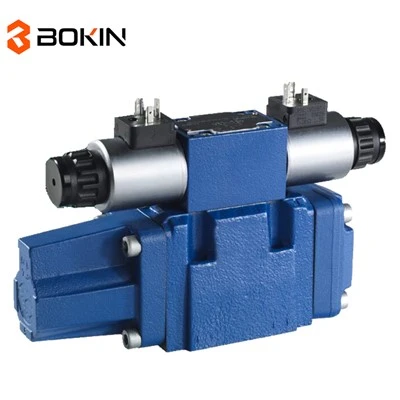
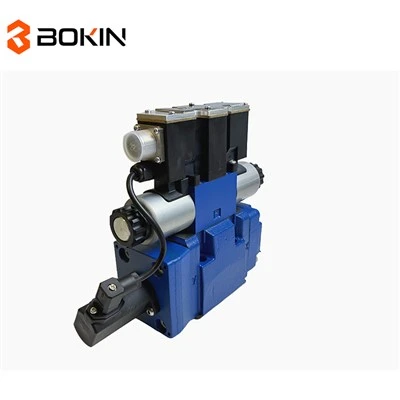
As a supplier of Proportional Directional Valves, I've witnessed firsthand the critical role these components play in various hydraulic systems. These valves are essential for precise control of fluid flow, pressure, and direction, making them a staple in industries such as manufacturing, construction, and automotive. However, like any mechanical device, Proportional Directional Valves require regular maintenance to ensure optimal performance and longevity. In this blog, I'll explore the different types of maintenance that a Proportional Directional Valve needs and why they are crucial.
1. Regular Inspection
Regular inspection is the cornerstone of Proportional Directional Valve maintenance. It allows you to identify potential issues before they escalate into major problems. Here are some key aspects to focus on during inspections:
Visual Inspection
A visual inspection should be conducted regularly to check for any signs of physical damage, such as cracks, leaks, or corrosion. Inspect the valve body, connections, and seals for any visible wear or damage. Pay special attention to the valve spool and the solenoid coil, as these components are prone to wear and tear.
Functionality Testing
Functionality testing is essential to ensure that the valve is operating correctly. Use a hydraulic test bench to check the valve's response time, flow rate, and pressure control. Compare the test results with the manufacturer's specifications to ensure that the valve is performing within the acceptable range.
Electrical Inspection
If the Proportional Directional Valve is electronically controlled, an electrical inspection is necessary. Check the wiring, connectors, and solenoid coils for any signs of damage or loose connections. Use a multimeter to measure the electrical resistance and voltage to ensure that the valve is receiving the correct electrical signals.
2. Cleaning and Lubrication
Cleaning and lubrication are essential for maintaining the performance and longevity of Proportional Directional Valves. Here's how you can clean and lubricate your valves:
Cleaning
Over time, dirt, debris, and contaminants can accumulate inside the valve, causing it to malfunction. To clean the valve, remove it from the hydraulic system and disassemble it. Use a cleaning solution and a soft brush to clean the valve components thoroughly. Rinse the components with clean water and dry them completely before reassembling the valve.


Lubrication
Lubrication is crucial for reducing friction and wear between the valve components. Use a high-quality hydraulic oil or lubricant recommended by the valve manufacturer. Apply the lubricant to the valve spool, seals, and other moving parts to ensure smooth operation.
3. Calibration and Adjustment
Calibration and adjustment are necessary to ensure that the Proportional Directional Valve is operating at its optimal performance. Here's how you can calibrate and adjust your valves:
Calibration
Calibration involves adjusting the valve's control parameters to ensure that it is operating within the desired range. Use a calibration tool or a hydraulic test bench to measure the valve's flow rate, pressure, and response time. Adjust the valve's control settings until the desired performance is achieved.
Adjustment
Adjustment involves fine-tuning the valve's control parameters to compensate for changes in the hydraulic system. For example, if the hydraulic system's pressure or flow rate changes, you may need to adjust the valve's control settings to maintain the desired performance.
4. Replacement of Worn Parts
Over time, the components of a Proportional Directional Valve may wear out and need to be replaced. Here are some common parts that may need to be replaced:
Seals
Seals are essential for preventing leaks and ensuring the proper operation of the valve. Over time, seals can wear out or become damaged, causing leaks. Replace the seals regularly to prevent leaks and ensure the proper operation of the valve.
Valve Spool
The valve spool is the heart of the Proportional Directional Valve. Over time, the valve spool can wear out or become damaged, causing the valve to malfunction. Replace the valve spool if it shows signs of wear or damage.
Solenoid Coil
The solenoid coil is responsible for controlling the valve's operation. Over time, the solenoid coil can wear out or become damaged, causing the valve to malfunction. Replace the solenoid coil if it shows signs of wear or damage.
5. Training and Education
Training and education are essential for ensuring that your maintenance personnel have the knowledge and skills necessary to maintain Proportional Directional Valves properly. Here's how you can provide training and education for your maintenance personnel:
Manufacturer's Training
Many valve manufacturers offer training programs for their products. These programs provide in-depth training on the operation, maintenance, and troubleshooting of Proportional Directional Valves. Consider sending your maintenance personnel to these training programs to ensure that they have the knowledge and skills necessary to maintain your valves properly.
In-House Training
You can also provide in-house training for your maintenance personnel. This training can include hands-on training on the operation, maintenance, and troubleshooting of Proportional Directional Valves. Use training materials provided by the valve manufacturer or create your own training materials to ensure that your maintenance personnel have the knowledge and skills necessary to maintain your valves properly.
Conclusion
In conclusion, Proportional Directional Valves require regular maintenance to ensure optimal performance and longevity. Regular inspection, cleaning, lubrication, calibration, adjustment, and replacement of worn parts are essential for maintaining the performance and reliability of these valves. By following these maintenance practices, you can extend the lifespan of your Proportional Directional Valves and reduce the risk of costly downtime.
If you're in the market for high-quality Proportional Directional Valves, we offer a wide range of products to meet your needs. Check out our Pilot-Operated Hydraulic Directional Valve 4WRTE35 A1 10V Control, Pilot-Operated Hydraulic Directional Valve 4WRTE27 A1 10V Control, and Pilot-Operated Hydraulic Directional Valve 4WRTE10 A1 10V Control. Our valves are designed to provide precise control and reliable performance in a variety of applications.
If you have any questions or would like to discuss your specific requirements, please don't hesitate to contact us. We're here to help you find the right Proportional Directional Valve for your needs and provide you with the support and expertise you need to keep your hydraulic systems running smoothly.
References
- Manufacturer's manuals for Proportional Directional Valves
- Hydraulic system design and maintenance textbooks
- Industry standards and best practices for hydraulic system maintenance