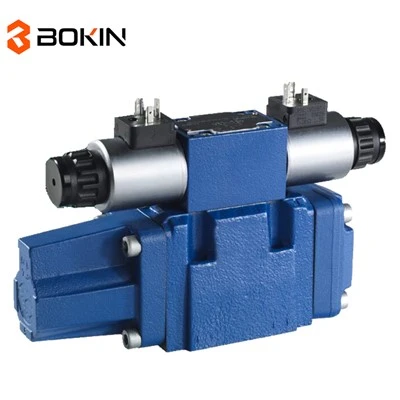
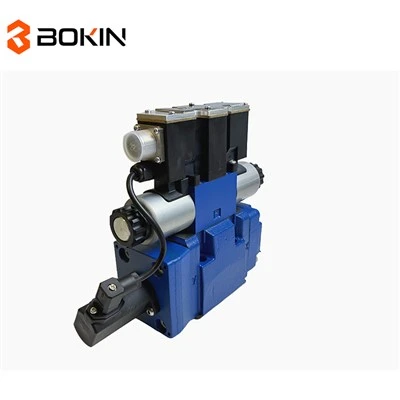
As a supplier of Proportional Hydraulic Control Valves, I've witnessed firsthand the importance of understanding how the flow rate of these valves changes. Proportional hydraulic control valves are crucial components in many hydraulic systems, allowing for precise control of fluid flow and pressure. In this blog post, I'll delve into the factors that influence the flow rate of a proportional hydraulic control valve and how it can be optimized for specific applications.
Understanding Proportional Hydraulic Control Valves
Before we discuss the flow rate changes, let's briefly understand what proportional hydraulic control valves are. These valves are designed to control the flow of hydraulic fluid in a system based on an electrical input signal. Unlike traditional on - off valves, proportional valves can provide a variable flow rate, which is proportional to the input signal. This allows for more precise control of hydraulic actuators, such as cylinders and motors.
Factors Affecting the Flow Rate
Input Signal
The input signal is one of the most significant factors affecting the flow rate of a proportional hydraulic control valve. The valve's spool position is directly related to the input electrical signal, typically in the form of a current (e.g., 4 - 20 mA) or a voltage (e.g., 0 - 10 V). As the input signal increases, the spool moves, opening the valve ports wider and allowing more fluid to flow through the valve. For example, in a Direct - Operated Hydraulic Proportional Valve 4WRAE10 F1 4 - 20mA Control, the flow rate will increase as the 4 - 20 mA input signal rises. The relationship between the input signal and the flow rate is usually linear within a certain range, but it can be affected by other factors such as valve design and fluid properties.
Pressure Differential
The pressure differential across the valve is another critical factor. According to Bernoulli's principle, the flow rate through a valve is proportional to the square root of the pressure differential. As the pressure difference between the inlet and outlet of the valve increases, the flow rate also increases. However, this relationship is not always straightforward, especially in proportional valves, as the valve's internal design can affect how it responds to pressure changes. For instance, in a Pilot - Operated Hydraulic Proportional Valve 4WRZE10 F1 4 - 20mA Control, the pilot stage can influence how the main valve responds to pressure differentials, and thus the flow rate.
Fluid Viscosity
The viscosity of the hydraulic fluid plays a significant role in determining the flow rate. Viscosity is a measure of a fluid's resistance to flow. Higher viscosity fluids require more energy to flow through the valve, which can reduce the flow rate. In cold environments, the viscosity of hydraulic fluids can increase significantly, leading to a decrease in flow rate. On the other hand, in hot environments, the viscosity may decrease, potentially increasing the flow rate. Valve manufacturers often specify the recommended viscosity range for their valves to ensure optimal performance.
Valve Size and Design
The physical size and design of the valve also impact the flow rate. Larger valves generally have a higher flow capacity than smaller ones. The internal design of the valve, such as the shape and size of the ports and the spool, can affect how the fluid flows through the valve. For example, a valve with a well - designed spool can provide a more linear flow rate response to the input signal. A Direct - Operated Hydraulic Proportional Valve 4WRAE10 A1 10V Control is designed to provide a specific flow rate range based on its size and internal design.
Measuring and Monitoring Flow Rate
To ensure the proper operation of a proportional hydraulic control valve, it's essential to measure and monitor the flow rate. There are several methods for measuring flow rate, including flow meters. Flow meters can be installed in the hydraulic system to provide real - time information about the flow rate. This data can be used to adjust the input signal to the valve, ensuring that the desired flow rate is maintained. Additionally, modern hydraulic systems often use sensors and control algorithms to automatically adjust the valve's operation based on the measured flow rate.
Optimizing Flow Rate for Specific Applications
Different applications have different requirements for flow rate. For example, in a high - speed hydraulic cylinder application, a high flow rate may be required to achieve fast movement. In contrast, in a precision machining application, a more stable and precise flow rate may be necessary. To optimize the flow rate for a specific application, the following steps can be taken:
- Select the Right Valve: Choose a valve with the appropriate size and flow capacity for the application. Consider factors such as the maximum flow rate required, the pressure differential, and the fluid viscosity.
- Calibrate the Valve: Properly calibrate the valve to ensure that the input signal accurately corresponds to the desired flow rate. This may involve adjusting the valve's gain and offset settings.
- Maintain the Hydraulic System: Regularly maintain the hydraulic system, including changing the hydraulic fluid, checking for leaks, and ensuring that the valves are clean and functioning properly. A well - maintained system will provide more consistent flow rates.
Conclusion
The flow rate of a proportional hydraulic control valve is influenced by several factors, including the input signal, pressure differential, fluid viscosity, and valve size and design. Understanding these factors is crucial for ensuring the proper operation of hydraulic systems. By measuring and monitoring the flow rate and optimizing the valve's performance for specific applications, we can achieve more efficient and precise control of hydraulic actuators.


If you're interested in learning more about our Proportional Hydraulic Control Valves or have specific requirements for your application, please feel free to contact us for a detailed discussion. We're here to help you find the best solutions for your hydraulic system needs.
References
- Fluid Power Handbook, various editions
- Hydraulic System Design and Analysis textbooks