What is the maximum operating temperature of a Proportional Hydraulic Control Valve?
As a supplier of Proportional Hydraulic Control Valves, I often encounter inquiries from customers about the maximum operating temperature of these valves. Understanding this parameter is crucial for ensuring the optimal performance and longevity of the valves in various industrial applications. In this blog post, I will delve into the factors that influence the maximum operating temperature of Proportional Hydraulic Control Valves and provide some insights into how to select the right valve for your specific needs.
Factors Affecting the Maximum Operating Temperature
The maximum operating temperature of a Proportional Hydraulic Control Valve is determined by several factors, including the materials used in its construction, the design of the valve, and the operating conditions. Let's take a closer look at each of these factors:
-
Materials: The materials used in the construction of the valve play a significant role in determining its maximum operating temperature. For example, valves made from high-temperature-resistant materials such as stainless steel or titanium can withstand higher temperatures than those made from standard materials. Additionally, the seals and gaskets used in the valve must also be able to withstand the operating temperature without degrading or losing their sealing properties.
-
Design: The design of the valve can also affect its maximum operating temperature. Valves with a more efficient cooling system or a larger surface area for heat dissipation can operate at higher temperatures than those with a less efficient design. Additionally, the internal components of the valve, such as the spool and the solenoid, must be designed to withstand the operating temperature without malfunctioning.
-
Operating Conditions: The operating conditions of the valve, such as the pressure, flow rate, and fluid type, can also affect its maximum operating temperature. For example, valves operating at high pressures or flow rates may generate more heat than those operating at lower pressures or flow rates. Additionally, the type of fluid used in the system can also affect the operating temperature of the valve. Some fluids, such as hydraulic oil, have a higher heat capacity than others, which can help to dissipate heat more effectively.


Typical Maximum Operating Temperatures
The maximum operating temperature of a Proportional Hydraulic Control Valve can vary depending on the specific model and manufacturer. However, most Proportional Hydraulic Control Valves have a maximum operating temperature range of -20°C to 80°C (-4°F to 176°F). Some high-temperature valves can operate at temperatures up to 120°C (248°F) or higher.
It's important to note that operating a Proportional Hydraulic Control Valve at temperatures above its maximum operating temperature can cause damage to the valve and reduce its lifespan. Therefore, it's crucial to select a valve that is rated for the operating temperature of your application.
Selecting the Right Valve for Your Application
When selecting a Proportional Hydraulic Control Valve for your application, it's important to consider the maximum operating temperature of the valve. Here are some tips to help you select the right valve:
-
Determine the Operating Temperature Range: Before selecting a valve, you need to determine the operating temperature range of your application. This will help you to select a valve that is rated for the maximum operating temperature of your system.
-
Consider the Fluid Type: The type of fluid used in your system can also affect the operating temperature of the valve. Some fluids, such as hydraulic oil, have a higher heat capacity than others, which can help to dissipate heat more effectively. Therefore, it's important to select a valve that is compatible with the fluid type used in your system.
-
Choose a High-Quality Valve: When selecting a Proportional Hydraulic Control Valve, it's important to choose a high-quality valve from a reputable manufacturer. High-quality valves are typically made from high-temperature-resistant materials and have a more efficient design, which can help to ensure the optimal performance and longevity of the valve.
Examples of Proportional Hydraulic Control Valves
As a supplier of Proportional Hydraulic Control Valves, we offer a wide range of valves to meet the needs of various industrial applications. Here are some examples of our Proportional Hydraulic Control Valves:
- Direct-Operated Hydraulic Proportional Valve 4WRAE10 A1 10V Control: This valve is a direct-operated hydraulic proportional valve with a 10V control signal. It is designed for use in hydraulic systems that require precise control of flow and pressure.
- Direct-Operated Hydraulic Proportional Valve 4WRAE6 A1 10V Control: This valve is a direct-operated hydraulic proportional valve with a 10V control signal. It is designed for use in hydraulic systems that require precise control of flow and pressure.
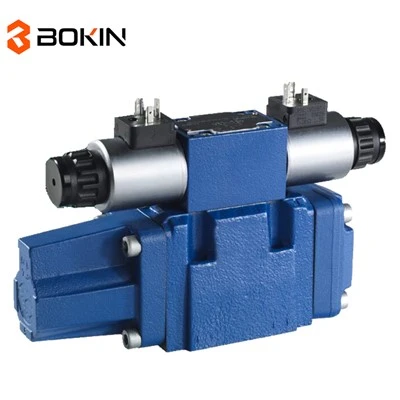
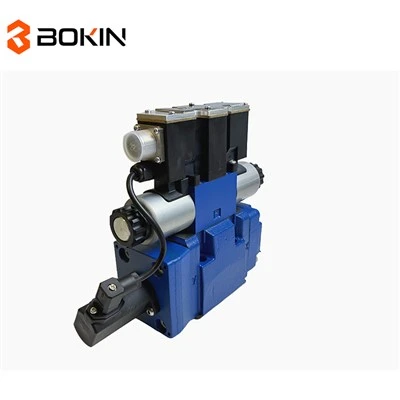
- Proportional Hydraulic Control Valve: This valve is a proportional hydraulic control valve that is designed for use in hydraulic systems that require precise control of flow and pressure. It is available in a variety of sizes and configurations to meet the needs of different applications.
Conclusion
The maximum operating temperature of a Proportional Hydraulic Control Valve is an important parameter that can affect the performance and longevity of the valve. By understanding the factors that influence the maximum operating temperature and selecting the right valve for your application, you can ensure the optimal performance and reliability of your hydraulic system.
If you have any questions or need further information about Proportional Hydraulic Control Valves, please feel free to contact us. We are a leading supplier of Proportional Hydraulic Control Valves and can provide you with the expertise and support you need to select the right valve for your application.
References
- Fluid Power Handbook, edited by the International Fluid Power Society
- Hydraulic Systems and Components, by Donald C. Elger and Barbara A. Williams