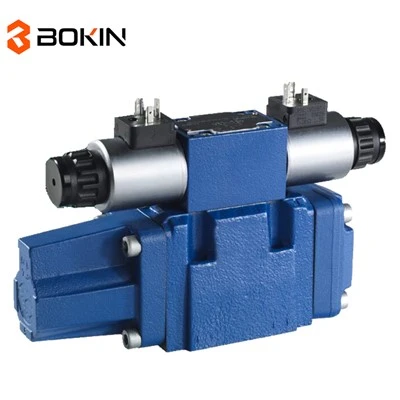
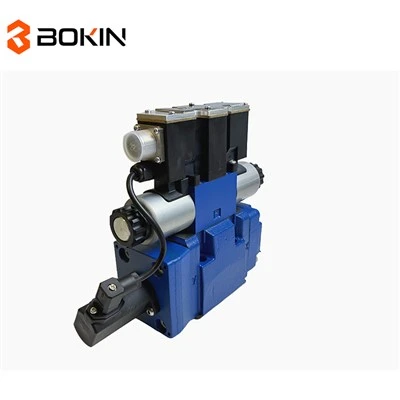
In the realm of fluid power systems, proportional directional control valves play a pivotal role in regulating the flow, direction, and pressure of hydraulic fluids. As a leading supplier of Proportional Directional Control Valve, we understand the significance of optimizing the performance of these valves to ensure efficient and reliable operation in various industrial applications. In this blog post, we will explore some key strategies and techniques to enhance the performance of proportional directional control valves.
Understanding Proportional Directional Control Valves
Before delving into optimization strategies, it is essential to have a clear understanding of how proportional directional control valves work. These valves are designed to provide precise control over the flow and direction of hydraulic fluid by adjusting the position of a spool within the valve body. The spool position is controlled by an electrical signal, typically a current or voltage, which is proportional to the desired flow rate or direction.
Proportional directional control valves offer several advantages over traditional on-off valves, including:
- Precise control: They allow for fine-tuning of flow rates and directions, enabling more accurate and efficient operation of hydraulic systems.
- Smooth operation: The proportional control mechanism ensures smooth and gradual changes in flow, reducing shock and vibration in the system.
- Energy efficiency: By precisely controlling the flow of hydraulic fluid, proportional valves can help reduce energy consumption and improve overall system efficiency.
Optimization Strategies
1. Proper Sizing and Selection
One of the most critical factors in optimizing the performance of a proportional directional control valve is proper sizing and selection. Choosing the right valve for the specific application is essential to ensure that it can handle the required flow rates, pressures, and operating conditions. Here are some key considerations when selecting a proportional directional control valve:
- Flow rate: Determine the maximum flow rate required for the application and select a valve with a flow capacity that can meet or exceed this requirement.
- Pressure rating: Ensure that the valve has a pressure rating that is suitable for the operating pressure of the hydraulic system.
- Spool type: Different spool types are available, each offering different flow characteristics and control capabilities. Select the spool type that best suits the application requirements.
- Control method: Consider the type of control method required, such as analog or digital control, and choose a valve that is compatible with the control system.
2. System Design and Integration
The design and integration of the hydraulic system can also have a significant impact on the performance of the proportional directional control valve. Here are some key considerations when designing and integrating the system:
- Piping layout: Ensure that the piping layout is designed to minimize pressure drops and turbulence, which can affect the performance of the valve.
- Filtering: Install appropriate filters in the hydraulic system to prevent contaminants from entering the valve and causing damage.
- Cooling: Provide adequate cooling for the hydraulic system to prevent overheating, which can also affect the performance of the valve.
- Control system: Ensure that the control system is properly configured and calibrated to provide accurate and reliable control of the valve.
3. Maintenance and Inspection
Regular maintenance and inspection are essential to ensure the long-term performance and reliability of the proportional directional control valve. Here are some key maintenance tasks that should be performed:
- Cleaning: Regularly clean the valve to remove any dirt, debris, or contaminants that may accumulate on the valve components.
- Lubrication: Apply appropriate lubrication to the valve components to reduce friction and wear.
- Inspection: Regularly inspect the valve for any signs of damage, wear, or leakage, and replace any damaged components as needed.
- Calibration: Periodically calibrate the valve to ensure that it is operating within the specified performance parameters.
4. Use of High-Quality Components
Using high-quality components is essential to ensure the performance and reliability of the proportional directional control valve. Here are some key components that should be considered:
- Solenoids: Choose solenoids that are designed for the specific application and have a high level of reliability and durability.
- Spools: Select spools that are made from high-quality materials and have a precise fit to ensure smooth and accurate operation.
- Seals: Use high-quality seals to prevent leakage and ensure the integrity of the valve.
- Electronics: Choose electronic components that are designed for the specific application and have a high level of reliability and accuracy.
Case Studies
To illustrate the effectiveness of these optimization strategies, let's take a look at some real-world case studies.
Case Study 1: Industrial Manufacturing
A manufacturing company was experiencing issues with the performance of their hydraulic system, which was using a proportional directional control valve. The system was experiencing high levels of noise and vibration, and the valve was not providing accurate control of the flow rate and direction. After conducting a thorough analysis of the system, it was determined that the valve was undersized for the application and was not properly calibrated. The company replaced the valve with a larger, more appropriate valve and calibrated it to the specific requirements of the system. As a result, the noise and vibration levels were significantly reduced, and the valve provided accurate and reliable control of the flow rate and direction.
Case Study 2: Mobile Equipment
A mobile equipment manufacturer was experiencing issues with the performance of their hydraulic system, which was using a proportional directional control valve. The system was experiencing slow response times and inconsistent performance, which was affecting the productivity of the equipment. After conducting a thorough analysis of the system, it was determined that the valve was not properly maintained and was contaminated with dirt and debris. The company cleaned the valve and replaced the filters, and also calibrated the valve to the specific requirements of the system. As a result, the response times were significantly improved, and the valve provided consistent and reliable performance.


Conclusion
Optimizing the performance of a proportional directional control valve is essential to ensure efficient and reliable operation in various industrial applications. By following the strategies and techniques outlined in this blog post, you can enhance the performance of your proportional directional control valve and improve the overall efficiency and productivity of your hydraulic system.
If you are interested in learning more about our Proportional Directional Control Valve products or have any questions about optimizing the performance of your hydraulic system, please feel free to contact us. We would be happy to discuss your specific requirements and provide you with the best solutions for your application.
References
- Hydraulic Control Systems by Hugh E. Merritt
- Fluid Power Technology by Michael Norton
- Proportional and Servo Hydraulic Control by Peter J. Watson